


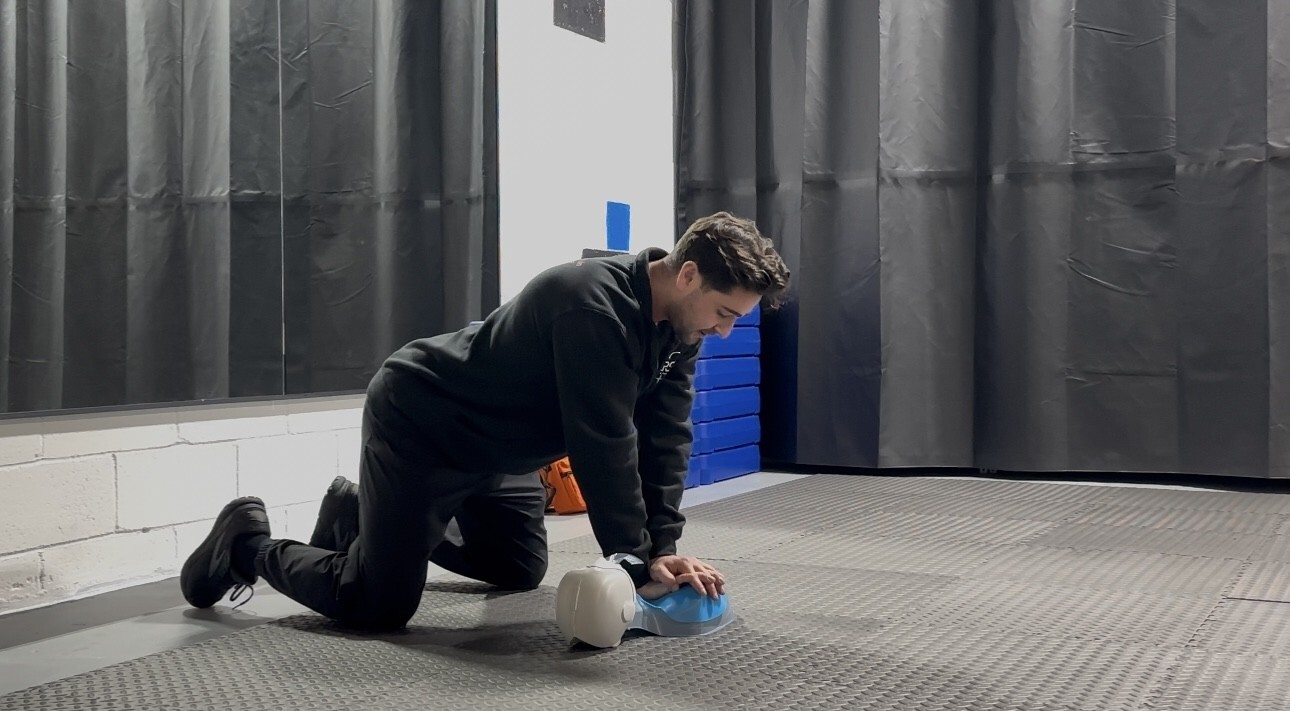
1) Ribs might break during CPR—and that's okay.
Broken ribs are a reality of effective CPR. The priority is sustaining life - keeping blood flowing to the heart & brain.
2) Lack of oxygen causes permanent brain damage.
The brain starts to suffer permanent damage in as little as 4–6 minutes without oxygen. That's why immediate recognition of cardiac arrest, calling 911 & initiating CPR is critical.
3) Every minute without CPR decreases the chance of survival by about 7–10%.
Hesitating to provide aid, even for a few minutes can dramatically reduce someone's chance of survival.
4) Most cardiac arrests happen at home.
Around 70% occur in a home, meaning you're more likely to perform CPR on a loved one than a stranger.
5) CPR doesn't restart the heart.
CPR manually pumps blood through the body. An AED or advanced medical care is usually needed to restore a normal heart rhythm.
Leave a Comment