

How To Respond To A Head Injury
Emergency preparedness that everyone should know.
1. Recognize
Headache, dizziness, confusion, or vomiting? Seizures, vision/balance problems, changes in alertness, and loss of consciousness are also concerning signs.
2. Stop The Activity
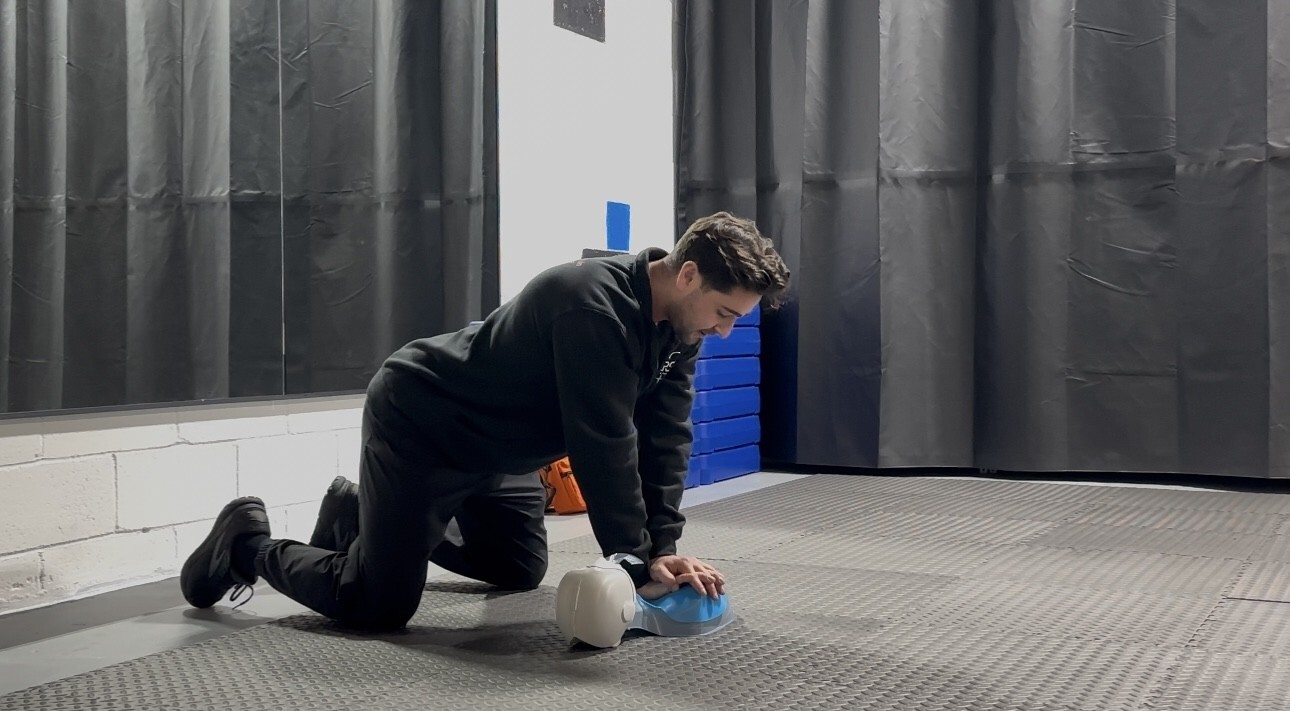
Have them rest and avoid further activity. If a head, neck, or spinal injury is suspected, don't ask them to move. Only move them if necessary for safety, CPR, or to control bleeding.
3. Monitor
BLEEDING? APPLY PRESSURE. For an open fracture, control bleeding with direct pressure while avoiding pressure directly over protruding bone.
4. Reduce Swelling
USE A COLD PACK. Utilize a wrapped cold pack for a closed injury, for no more than 20 minutes at a time.
5. Get Help!
KNOW WHEN TO CALL 911. The Red Cross identifies exposed bone, significant injuries, head/neck/spine/pelvis/upper-leg injuries, and signs of shock among situations requiring immediate emergency medical treatment.
Leave a Comment